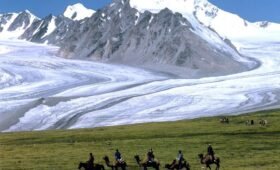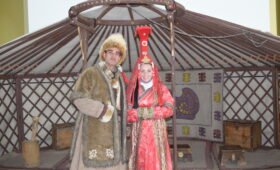
Daily life in Mongolia is a fascinating blend of ancient nomadic traditions and modern urban lifestyles. While herders on the steppe still live in gers (yurts) and follow seasonal migrations, city dwellers in Ulaanbaatar experience a fast-paced, cosmopolitan rhythm shaped by globalization and technology. This coexistence of old and new defines the country’s unique cultural identity.
Ger Living: The ger remains the centerpiece of nomadic households. Always oriented with its door facing south, the interior is organized with symbolic meaning—the northern side reserved for honored guests, family photos, and Buddhist images.
- Daily Routine: Nomadic families rise early to tend livestock—horses, sheep, goats, camels, and cattle. Herding, milking, and preparing dairy products like airag (fermented mare’s milk) are essential tasks.
- Seasonal Migration: Families move several times a year to find fresh pastures, reflecting a lifestyle deeply tied to nature’s cycles.
- Community & Hospitality: Guests are welcomed warmly, often offered dairy products or tea. Hospitality is considered a sacred duty in nomadic culture.
Modern Urban Life
- Ulaanbaatar’s Growth: Nearly half of Mongolia’s population now lives in Ulaanbaatar, where apartment blocks, shopping malls, and international restaurants coexist with traditional markets.
- Work & Education: Urban Mongolians work in diverse sectors—government, mining, tourism, IT, and creative industries. Education is highly valued, with universities and schools shaping a younger, globally connected generation.
- Leisure & Culture: City dwellers enjoy cafés, cinemas, and nightlife, but also attend cultural performances like throat singing and morin khuur (horsehead fiddle) concerts.
- Challenges: Rapid urbanization has brought air pollution, traffic congestion, and housing shortages, contrasting sharply with the open spaces of the countryside.
Shared Cultural Threads
Despite modernization, horses, music, and festivals remain central to Mongolian identity. The Naadam Festival, celebrated nationwide, showcases wrestling, archery, and horse racing—skills rooted in nomadic survival. Even urban families often maintain ties to rural relatives, spending summers in the countryside to reconnect with traditional life.
Key Differences Between Rural & Urban Daily Life
| Aspect | Nomadic Countryside | Urban Ulaanbaatar |
|---|---|---|
| Housing | Ger (yurt), portable, symbolic | Apartments, modern houses |
| Work | Herding, dairy production | Offices, mining, tourism, IT |
| Food | Dairy-based, meat-heavy | Mix of traditional & international |
| Lifestyle | Seasonal migration, nature-based | Fast-paced, globalized, tech-driven |
| Community | Strong kinship, hospitality | Diverse social networks, modern clubs |
Mongolia’s daily life is a living contrast: nomads continue centuries-old traditions on the steppe, while urban Mongolians embrace modernity in a rapidly developing capital. For visitors, this duality offers a rare chance to witness how a nation balances heritage and progress, making everyday life in Mongolia both timeless and dynamic.