Northern Mongolia
Northern Mongolia is one of the most fascinating regions of the country—it’s vast, rugged, and full of contrasts. It’s often described as the “green heart” of Mongolia because of its forests, lakes, and mountains, which stand in contrast to the arid steppe and desert landscapes further south.
Key Highlights of Northern Mongolia
- Lake Khövsgöl (Khövsgöl Nuur)
Known as the “Blue Pearl of Mongolia,” this massive freshwater lake is one of the clearest and deepest in the world. It’s surrounded by mountains and pine forests, making it a hub for trekking, horseback riding, and eco-tourism. - Tsaatan Reindeer Herders
The Dukha (Tsaatan) people live in the taiga near the Russian border, herding reindeer and maintaining a semi-nomadic lifestyle. Visiting them offers a rare glimpse into a unique culture that blends shamanism and deep ties to nature. - Darkhad Valley
A remote valley dotted with rivers, lakes, and alpine meadows. It’s considered one of the most beautiful places in Mongolia, but also one of the least accessible—perfect for adventurous travelers. - Selenge River Basin
Fertile lands along the Selenge River are important for agriculture and connect Mongolia to Lake Baikal in Russia. This area has historical significance as well, with ancient burial sites and ruins. - Wildlife & Nature
Northern Mongolia is home to wolves, bears, moose, and diverse bird species. The forests and taiga make it a biodiversity hotspot compared to the steppe.
Cultural & Historical Notes
- Buddhism and shamanism both have strong roots here, often blending together in local practices.
- The region has historically been a crossroads between Mongolian tribes and Siberian cultures.
- Traditional festivals, horse culture, and nomadic hospitality are deeply ingrained in daily life.
It’s a region that balances adventure with authenticity—ideal for trekking, cultural immersion, and eco-tourism. Since you’re building a tour operator business, Northern Mongolia could be a powerful niche: it offers both the iconic “Blue Pearl” for mainstream travelers and the remote taiga for those seeking something truly off the beaten path.
Hiking
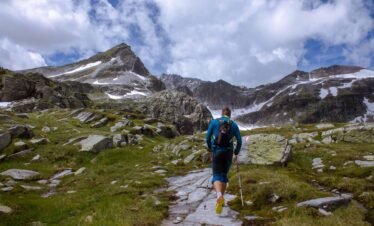
Mongolia’s hiking offers a rare blend of sweeping, unbroken landscapes and intimate cultural encounters: imagine trekking across endless steppe where the horizon feels infinite, climbing alpine ridges in the Altai with glacial views, following river valleys through the forested Khangai, or navigating the otherworldly canyons and dunes of the Gobi. Trails range from gentle day walks around ger camps to multi‑day routes that require route‑finding and basic backcountry skills, so itineraries can be tailored for families, active trekkers, and experienced hikers seeking solitude.
Best hiked from late spring to early autumn, Mongolia rewards travelers with long daylight hours, wildflowers carpeting the meadows, and clear nights for stargazing; summer also brings the chance to combine hikes with cultural highlights like nomadic homestays and local festivals. Expect variable weather—warm sun can shift to wind and rain quickly—so layered clothing, sturdy boots, and a compact shelter plan are essential. Guides add huge value: they navigate unmarked terrain, interpret local ecology and history, and arrange respectful visits with herding families.
Logistics emphasize simplicity and sustainability: many routes are accessed by 4×4 overland transfers, and camping or staying in gers keeps the footprint light while supporting rural incomes. Hikes can include horseback approaches, day rides to alpine lakes, and guided searches for wildlife such as argali sheep or Przewalski’s horse in protected areas. For those seeking challenge, multi‑day traverses in the Altai or remote Gobi can test endurance and navigation, while shorter circuits in national parks like Terelj offer dramatic rock formations and easy access from Ulaanbaatar.
Frame every hike with responsible practices—leave no trace, respect private grazing lands, ask before photographing people, and compensate hosts fairly—to ensure Mongolia’s fragile landscapes and nomadic traditions remain vibrant. Whether you want a gentle introduction to the steppe or a rugged expedition across mountain passes, hiking in Mongolia delivers wide skies, profound silence, and a deep sense of place that lingers long after the trail ends.
Safari Mongolia
Mongolia safaris combine remote wildlife viewing with cultural encounters—best undertaken from Ulaanbaatar between late spring and early autumn, with Western Mongolia (Altai, Great Lakes) for snow leopard and saiga, and central steppes (Hustai, Khentii) for Przewalski’s horse and gazelle.
Overview and where to go
Key regions: Altai Mountains and West Gobi for high‑altitude species (snow leopard, argali, ibex); Great Lakes Basin and West Gobi for dunes, saiga, and migratory birds; central steppes and Hustai National Park for Przewalski’s horse, Mongolian gazelle, and birdlife. These regions offer the best combination of biodiversity and accessibility from Ulaanbaatar.
Best time to travel
Prime season: June–September for most wildlife viewing, accessible roads, and comfortable temperatures; late spring brings newborns and autumn concentrates wildlife around water sources. For snow leopard tracking, June–September is commonly recommended for field expeditions.
Typical safari formats and logistics
- Jeep safaris (4×4) across the Gobi and Altai for long‑range access and remote camps.
- Guided wildlife viewing circuits (7–12 days) combining national parks, nomadic homestays, and targeted search for flagship species.
- Short day trips from Ulaanbaatar to Hustai National Park for reliable Przewalski’s horse sightings. Allow 1–3 days for Hustai visits.
What you can expect to see
Flagship species: Snow leopard, Argali sheep, Saiga antelope, Asiatic ibex, Przewalski’s horse, Pallas’s cat, Mongolian gazelle. Birdwatchers can encounter steppe and wetland specialists in the Great Lakes Basin. Sightings are never guaranteed; success depends on season, terrain, and guide expertise.
Practical planning checklist
- Start/return: Ulaanbaatar is the usual gateway; internal flights or long 4×4 transfers required for western regions.
- Duration: 7–14 days recommended to reach remote habitats and allow acclimatization.
- Gear: binoculars, telephoto lens, layered clothing, sun protection, sturdy boots, basic first‑aid, and satellite communication for remote trips.
- Guides: we are experienced local wildlife guides and trackers; they greatly increase sighting chances and safety.
Responsible travel and risks
Respect protected areas, keep a distance from wildlife, avoid night driving, and support local communities through fair homestays and guides. Remote roads and extreme weather pose logistical risks—carry contingency funds, spare fuel, and emergency plans. For endangered species, like the snow leopard and saiga.
If you’d like, we can draft a safari itinerary (day‑by‑day logistics, vehicle needs, and packing list) tailored to departures from Ulaanbaatar.