Short Trips
A short trip in Mongolia generally refers to a compact travel experience—lasting anywhere from 2 to 5 days—that allows visitors to explore highlights of the country without committing to a long expedition. These trips are designed for travelers who want a taste of Mongolia’s landscapes, culture, and nomadic lifestyle within a limited timeframe.
- Duration: Typically 2–5 days, ideal for weekend getaways or extensions to longer journeys.
- Focus: Concentrated on one region or theme (e.g., Central Mongolia’s Orkhon Valley, Southern Mongolia’s Gobi Desert highlights, or Northern Mongolia’s Lake Khövsgöl).
- Activities: Horseback riding, camel trekking, hiking, cultural visits to monasteries, and overnight stays in traditional gers.
- Accessibility: Planned around destinations reachable within a day’s drive from Ulaanbaatar, making logistics simple and efficient.
Short trips are perfect for travelers who want to experience Mongolia’s essence—its vast landscapes, nomadic hospitality, and historical sites—without the need for extended time or complex itineraries. They balance adventure with convenience, offering immersive experiences that fit into tighter schedules.
Hiking
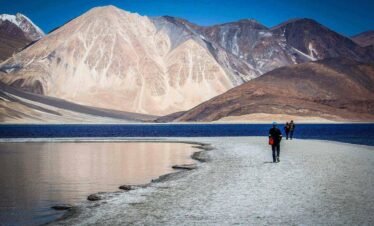
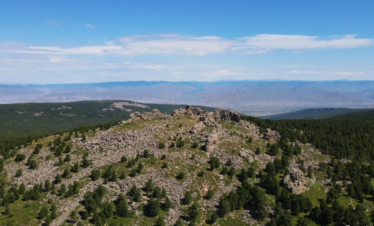
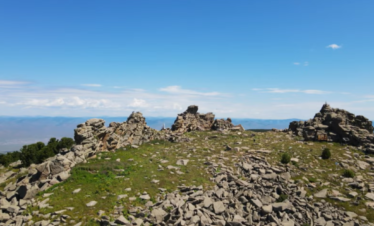
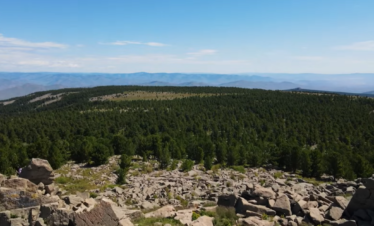
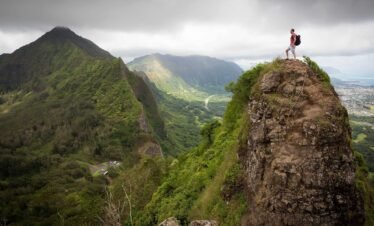
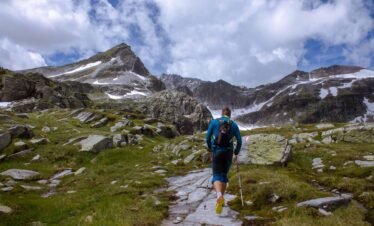
Mongolia’s hiking offers a rare blend of sweeping, unbroken landscapes and intimate cultural encounters: imagine trekking across endless steppe where the horizon feels infinite, climbing alpine ridges in the Altai with glacial views, following river valleys through the forested Khangai, or navigating the otherworldly canyons and dunes of the Gobi. Trails range from gentle day walks around ger camps to multi‑day routes that require route‑finding and basic backcountry skills, so itineraries can be tailored for families, active trekkers, and experienced hikers seeking solitude.
Best hiked from late spring to early autumn, Mongolia rewards travelers with long daylight hours, wildflowers carpeting the meadows, and clear nights for stargazing; summer also brings the chance to combine hikes with cultural highlights like nomadic homestays and local festivals. Expect variable weather—warm sun can shift to wind and rain quickly—so layered clothing, sturdy boots, and a compact shelter plan are essential. Guides add huge value: they navigate unmarked terrain, interpret local ecology and history, and arrange respectful visits with herding families.
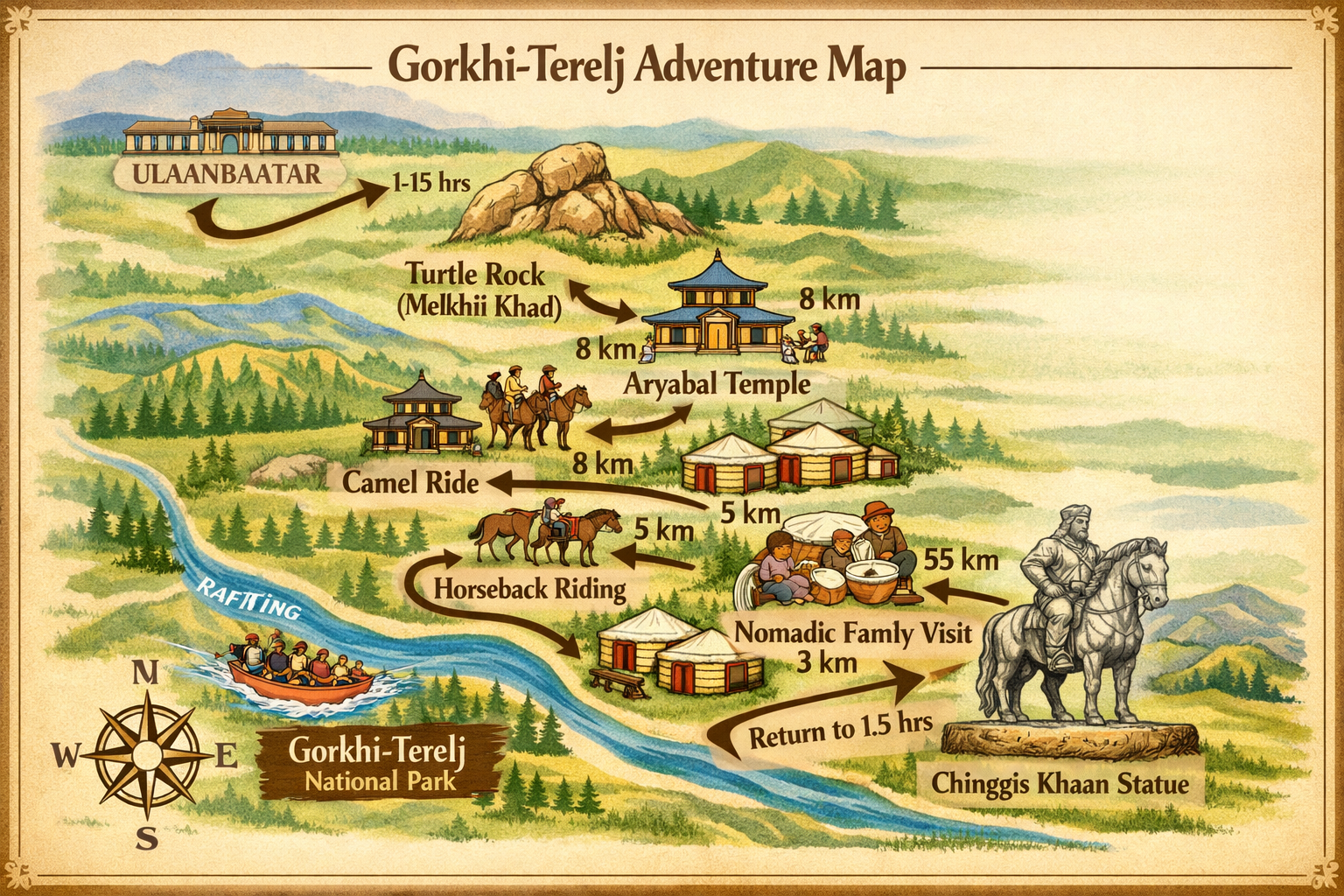
Logistics emphasize simplicity and sustainability: many routes are accessed by 4×4 overland transfers, and camping or staying in gers keeps the footprint light while supporting rural incomes. Hikes can include horseback approaches, day rides to alpine lakes, and guided searches for wildlife such as argali sheep or Przewalski’s horse in protected areas. For those seeking challenge, multi‑day traverses in the Altai or remote Gobi can test endurance and navigation, while shorter circuits in national parks like Terelj offer dramatic rock formations and easy access from Ulaanbaatar.
Frame every hike with responsible practices—leave no trace, respect private grazing lands, ask before photographing people, and compensate hosts fairly—to ensure Mongolia’s fragile landscapes and nomadic traditions remain vibrant. Whether you want a gentle introduction to the steppe or a rugged expedition across mountain passes, hiking in Mongolia delivers wide skies, profound silence, and a deep sense of place that lingers long after the trail ends.
Kayaking Mongolia
Mongolia offers accessible, scenic paddling from short river trips near Ulaanbaatar to multi‑day expeditions on the Orkhon and remote Gobi waterways; the best season is late spring through early autumn (May–September) when flows and access are most reliable.
Quick planning guide
- Top paddling options: Tuul River (near Terelj), Kharaa River (weekend gateway), and the Orkhon River (multi‑day routes through the Orkhon Valley).
- Typical trip lengths: day trips to 4–7+ day expeditions, depending on river choice and remoteness.
- Best season: late spring–early autumn (May–September) for stable weather, open roads, and warmer water.
Who it’s for and trip styles
- Beginners and families: short, guided canoe/kayak floats on the Tuul or Kharaa with easy access from Ulaanbaatar.
- Active paddlers: multi‑day self‑supported or guided trips on the Orkhon River, combining paddling with cultural stops and camping.
- Adventure seekers: remote river corridors and backcountry lakes in northern and western Mongolia for wilderness expeditions; expect limited services.
Logistics and gear (operator checklist)
- Transport: many put‑ins require 4×4 transfers or train+road approaches from Ulaanbaatar.
- Essential gear: sea‑/river‑kayak or canoe, PFDs, drybags, layered clothing, sun protection, repair kit, first‑aid, and satellite/phone comms for remote trips.
- Support: local guides increase safety, handle river logistics, and arrange homestays or ger camps along routes.
Cultural and environmental highlights
- Combine paddling with ger homestays, visits to Orkhon Valley historical sites, and birdwatching along riverine wetlands.
- Emphasize low‑impact camping and respect for grazing lands—rivers are shared resources with herding communities.
Risks, permits, and safety
- Variable flows and sudden weather changes require flexible itineraries and experienced leadership.
- Remote rescues are slow; carry contingency fuel, spare parts, and emergency comms.
- Check local access rules and obtain any park or river permits where required; coordinate with local authorities or established outfitters.
Peak Climbing
We operate guided peak‑climbing expeditions to Mongolia’s Altai Tavan Bogd, specializing in summit attempts of Mount Khüiten (4,374 m) and nearby peaks on carefully paced 10–14 day itineraries designed for experienced trekkers and aspiring alpinists. Departing from Ölgii, our programs combine domestic transfers, local logistics with horse or camel support, and staged acclimatization climbs so clients arrive at the glacier approaches fit and prepared; certified mountain guides lead every expedition and manage ropework, crevasse safety, and emergency evacuation plans. Climbs run in the optimal window of June–September when conditions are most stable, and our basecamp teams handle camp setup, meals, and equipment transport so climbers can focus on technique and summit strategy. We pair each ascent with cultural visits to Kazakh eagle‑hunter communities and nomadic camps to enrich the experience, and we enforce strict low‑impact practices to protect fragile alpine environments. Clients receive a detailed pre‑departure briefing, a comprehensive gear list, and clear fitness and technical prerequisites; we also offer optional training days for teams needing glacier skills or crevasse rescue refreshers. Choose our Khüiten expedition for professionally supported logistics, local expertise, and an authentic blend of high‑altitude challenge and cultural immersion in one of Mongolia’s most dramatic mountain landscapes.
River Rafting
We operate guided river rafting and kayaking adventures across Mongolia’s most scenic waterways, combining adrenaline‑packed whitewater runs with gentle paddles through wide river valleys and wetlands. Our programs range from half‑day floats near Ulaanbaatar to multi‑day rafting expeditions on remote rivers, all designed to suit families, first‑time paddlers, and experienced paddlers seeking wilderness routes. Expect dramatic steppe scenery, abundant birdlife, riverside ger camps, and opportunities to combine paddling with nomadic homestays and cultural stops.
All trips run in the paddling season (late spring through early autumn) and include professional guides, safety briefings, lifejackets and helmets, transport to put‑in/take‑out points, and campsite or ger accommodation on multi‑day routes. We tailor difficulty to your group—calm guided floats for beginners, technical whitewater sections with guide support for thrill‑seekers, and fully supported multi‑day itineraries with gear transport and meals. Safety is our priority: guides carry rescue equipment, first‑aid kits, and emergency communications, and we monitor river conditions to adjust plans as needed.
When you book with us you’ll receive a detailed pre‑departure checklist and packing list, clear fitness and age guidelines, and options for equipment rental or full‑service packages. Whether you want a relaxed family paddle on the Tuul or Kharaa, a cultural‑rich Orkhon river expedition, or an adrenaline rafting day in the Altai, our local expertise and full logistics support make exploring Mongolia’s rivers safe, comfortable, and unforgettable.
Road Cycling
We operate guided road‑cycling tours across Mongolia’s most scenic routes, blending long open steppe rides, quiet country lanes, and occasional gravel passes with comfortable support and authentic cultural stops. Our programs range from relaxed 3–5 day loops ideal for fit recreational cyclists to challenging 7–14 day point‑to‑point expeditions for experienced riders, with daily distances and elevation profiles tailored to group ability. Expect sweeping steppe vistas, riverside camps and ger stays, village markets, and optional cultural visits to nomadic families along the route.
Each tour includes professional local guides, a support vehicle for luggage and mechanical backup, route planning and GPS tracks, daily luggage transfers, and meals as specified in the itinerary. We provide bike rental or full‑service options (road, gravel, or touring bikes), helmet and basic kit rental on request, and pre‑departure advice on fitness, gear, and bike setup. Rides run in the paddling/cycling season (late spring through early autumn) to maximize road access and comfortable temperatures.
Safety and comfort are priorities: guides carry first‑aid kits, repair tools, and satellite or mobile communications for remote sections; we brief every group on road etiquette, wildlife and livestock interactions, and contingency plans for weather or mechanical issues. Book with us for professionally supported logistics, flexible difficulty levels, and an authentic way to explore Mongolia by bike—perfect for cyclists seeking long, uninterrupted riding days, cultural immersion, and off‑the‑beaten‑track scenery.
Safari Mongolia
Mongolia safaris combine remote wildlife viewing with cultural encounters—best undertaken from Ulaanbaatar between late spring and early autumn, with Western Mongolia (Altai, Great Lakes) for snow leopard and saiga, and central steppes (Hustai, Khentii) for Przewalski’s horse and gazelle.
Overview and where to go
Key regions: Altai Mountains and West Gobi for high‑altitude species (snow leopard, argali, ibex); Great Lakes Basin and West Gobi for dunes, saiga, and migratory birds; central steppes and Hustai National Park for Przewalski’s horse, Mongolian gazelle, and birdlife. These regions offer the best combination of biodiversity and accessibility from Ulaanbaatar.
Best time to travel
Prime season: June–September for most wildlife viewing, accessible roads, and comfortable temperatures; late spring brings newborns and autumn concentrates wildlife around water sources. For snow leopard tracking, June–September is commonly recommended for field expeditions.
Typical safari formats and logistics
- Jeep safaris (4×4) across the Gobi and Altai for long‑range access and remote camps.
- Guided wildlife viewing circuits (7–12 days) combining national parks, nomadic homestays, and targeted search for flagship species.
- Short day trips from Ulaanbaatar to Hustai National Park for reliable Przewalski’s horse sightings. Allow 1–3 days for Hustai visits.
What you can expect to see
Flagship species: Snow leopard, Argali sheep, Saiga antelope, Asiatic ibex, Przewalski’s horse, Pallas’s cat, Mongolian gazelle. Birdwatchers can encounter steppe and wetland specialists in the Great Lakes Basin. Sightings are never guaranteed; success depends on season, terrain, and guide expertise.
Practical planning checklist
- Start/return: Ulaanbaatar is the usual gateway; internal flights or long 4×4 transfers required for western regions.
- Duration: 7–14 days recommended to reach remote habitats and allow acclimatization.
- Gear: binoculars, telephoto lens, layered clothing, sun protection, sturdy boots, basic first‑aid, and satellite communication for remote trips.
- Guides: we are experienced local wildlife guides and trackers; they greatly increase sighting chances and safety.
Responsible travel and risks
Respect protected areas, keep a distance from wildlife, avoid night driving, and support local communities through fair homestays and guides. Remote roads and extreme weather pose logistical risks—carry contingency funds, spare fuel, and emergency plans. For endangered species, like the snow leopard and saiga.
If you’d like, we can draft a safari itinerary (day‑by‑day logistics, vehicle needs, and packing list) tailored to departures from Ulaanbaatar.
Other Trips
These are other trips.