Southern Mongolia
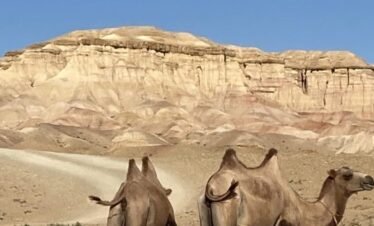
Southern Mongolia is a land of extremes—where vast desert landscapes meet ancient history and resilient nomadic life. Dominated by the legendary Gobi Desert, this region offers travelers a chance to experience Mongolia’s wild, arid beauty. From towering sand dunes and fossil-rich cliffs to dramatic canyons and oasis-like valleys, the Gobi is more than just sand—it’s a living, breathing ecosystem shaped by wind, time, and tradition.
One of the most iconic sites is the Khongoryn Els, also known as the “Singing Dunes,” which rise up to 300 meters and stretch for over 100 kilometers. Nearby, the Yolyn Am gorge carves through the Gurvan Saikhan Mountains, offering a surprising contrast of ice and shade even in summer. The Bayanzag Flaming Cliffs, famous for dinosaur fossils discovered by Roy Chapman Andrews, glow red at sunset and tell stories of prehistoric life beneath the desert’s surface.
Despite its harsh climate, Southern Mongolia is home to deeply rooted nomadic communities who have adapted to the desert’s rhythms. Camel herding, felt-making, and desert survival skills are passed down through generations, and travelers are welcomed into gers with warmth and hospitality. The region’s festivals, music, and oral traditions reflect a culture shaped by endurance and connection to the land.
For adventurers and seekers of solitude, Southern Mongolia offers a raw and unforgettable experience. It’s a place where silence stretches across the horizon, stars blaze in the night sky, and every dune and canyon holds a story. Whether exploring on camelback, camping under the stars, or tracing the footsteps of ancient explorers, visitors to the Gobi discover a side of Mongolia that is both timeless and transformative.
Safari Mongolia
Mongolia safaris combine remote wildlife viewing with cultural encounters—best undertaken from Ulaanbaatar between late spring and early autumn, with Western Mongolia (Altai, Great Lakes) for snow leopard and saiga, and central steppes (Hustai, Khentii) for Przewalski’s horse and gazelle.
Overview and where to go
Key regions: Altai Mountains and West Gobi for high‑altitude species (snow leopard, argali, ibex); Great Lakes Basin and West Gobi for dunes, saiga, and migratory birds; central steppes and Hustai National Park for Przewalski’s horse, Mongolian gazelle, and birdlife. These regions offer the best combination of biodiversity and accessibility from Ulaanbaatar.
Best time to travel
Prime season: June–September for most wildlife viewing, accessible roads, and comfortable temperatures; late spring brings newborns and autumn concentrates wildlife around water sources. For snow leopard tracking, June–September is commonly recommended for field expeditions.
Typical safari formats and logistics
- Jeep safaris (4×4) across the Gobi and Altai for long‑range access and remote camps.
- Guided wildlife viewing circuits (7–12 days) combining national parks, nomadic homestays, and targeted search for flagship species.
- Short day trips from Ulaanbaatar to Hustai National Park for reliable Przewalski’s horse sightings. Allow 1–3 days for Hustai visits.
What you can expect to see
Flagship species: Snow leopard, Argali sheep, Saiga antelope, Asiatic ibex, Przewalski’s horse, Pallas’s cat, Mongolian gazelle. Birdwatchers can encounter steppe and wetland specialists in the Great Lakes Basin. Sightings are never guaranteed; success depends on season, terrain, and guide expertise.
Practical planning checklist
- Start/return: Ulaanbaatar is the usual gateway; internal flights or long 4×4 transfers required for western regions.
- Duration: 7–14 days recommended to reach remote habitats and allow acclimatization.
- Gear: binoculars, telephoto lens, layered clothing, sun protection, sturdy boots, basic first‑aid, and satellite communication for remote trips.
- Guides: we are experienced local wildlife guides and trackers; they greatly increase sighting chances and safety.
Responsible travel and risks
Respect protected areas, keep a distance from wildlife, avoid night driving, and support local communities through fair homestays and guides. Remote roads and extreme weather pose logistical risks—carry contingency funds, spare fuel, and emergency plans. For endangered species, like the snow leopard and saiga.
If you’d like, we can draft a safari itinerary (day‑by‑day logistics, vehicle needs, and packing list) tailored to departures from Ulaanbaatar.